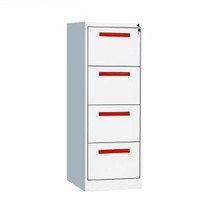
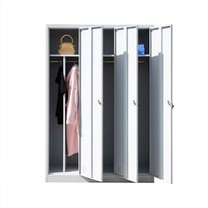
Steel Lockers: Pros and Cons
Advantages of Steel Lockers
Robust and Durable
Steel lockers-particularly welded models-are exceptionally sturdy and durable, capable of withstanding heavy-duty use. They represent a tried-and-tested solution for the majority of schools across the area.
Fire-Resistant
Since steel lockers are non-combustible, they meet strict fire safety requirements-a crucial factor in schools, where regulations mandate the use of compliant furniture.
Cost-Effective
Steel lockers are typically more affordable than plastic lockers, making them an ideal choice for clients with limited budgets. They are also highly suitable for large-scale installations.
Secure and Reliable Locking Options
Steel locker doors are compatible with a wide variety of locking mechanisms, including cam locks, padlock fittings, combination locks, and electronic locks. Reinforced locking points enhance their resistance to forced entry and tampering.
Customizable Colors
You can select powder-coated steel lockers that match your school's specific color scheme. They can also be color-coded to distinguish between different year groups or departments.

Disadvantages of Steel Lockers
Prone to Rust
If not properly maintained, steel lockers are susceptible to rusting. This is a particular concern in humid changing rooms or schools located in coastal areas. They are best suited for dry, indoor environments.
Dents and Scratches
Steel can deform upon impact, potentially leading to both aesthetic and functional issues over time. Collisions with bags, shoes, or equipment trolleys can leave permanent marks.
Requires Periodic Repainting
Powder coatings can chip or peel over time, exposing the underlying metal. Regular maintenance is required to preserve their appearance and prevent corrosion.
Plastic Lockers: Pros and Cons
Plastic lockers are typically manufactured from High-Density Polyethylene (HDPE)-a durable, molded polymer that is gaining increasing popularity in high-traffic and humid environments.
Advantages of Plastic Lockers
Rust-Proof and Water-Resistant
Plastic lockers do not rust. This makes them an ideal choice for sports departments, swimming pool changing rooms, and schools located in humid or coastal regions.
Graffiti-Resistant and Easy to Clean
The smooth surface of plastic lockers resists graffiti from markers and is easy to wipe clean. This helps prevent long-term staining or vandalism.
Quiet Operation
Plastic doors close with minimal noise, helping to reduce noise levels in busy corridors or changing rooms.
Eco-Friendly Choice
Many plastic lockers are manufactured from recycled polymers. At the end of their service life, they can be fully recycled.
Disadvantages of Plastic Lockers
Higher Upfront Cost
The unit price of plastic lockers is higher than that of steel lockers. However, in the long run, plastic lockers may prove to be more economical.
Lower Security
Although plastic lockers can be equipped with robust locking mechanisms, they may not be as effective as steel lockers in withstanding forceful prying attempts.
Limited Structural Rigidity
In certain configurations-particularly when stacked in multiple tiers-plastic lockers require proper installation and supporting frameworks.