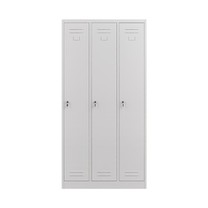
Selecting the right school lockers is a pivotal step in creating an educational environment that is safe, functional, and aesthetically cohesive.
One of the most critical decisions in this process concerns the material from which the lockers are constructed. This choice becomes particularly significant when weighing the options between steel and plastic lockers.
The material of a locker determines not only its visual appearance but also its lifespan, security level, resistance to environmental factors, and maintenance requirements.
This article will provide a detailed overview of steel and plastic locker systems, comparing their respective advantages and disadvantages to help you make an informed decision based on your school's layout, budget, and long-term needs.
High School Locker Requirements: Steel vs. Plastic
Middle and high schools everywhere rely on lockers for far more than just storage-they are essential for:
Securely storing books, laptops, and personal belongings
Reducing classroom clutter and tripping hazards in hallways
Fostering a sense of responsibility and independence among students
Protecting school property and uniforms from damage
Managing access to physical education equipment, science lab supplies, and musical instruments
Given that lockers are subjected to frequent daily use by hundreds of students, they must be:
Durable and Robust: Capable of withstanding impacts, kicking, vandalism, and rough handling.

Secure: Effective at deterring theft and unauthorized access.
Weather-Resistant: Particularly important for installations in locker rooms or near building entrances.
Low-Maintenance: Designed to minimize repair costs and operational disruptions.
Aesthetically Appealing: Consistent with the school's visual identity or institutional branding.
Maintenance and Sustainability: Steel vs. Plastic Lockers
Steel lockers require:
Touch-up paint to repair chipped finishes and scratches
Periodic inspections for rust
Occasional adjustment or replacement of doors.
Plastic lockers offer:
No rust, no paint, and minimal susceptibility to damage
Simple wipe-down cleaning procedures
Recyclability at the end of their lifecycle is often facilitated through closed-loop supplier programs.
Sustainability-conscious schools are increasingly opting for plastic lockers made from recycled materials-particularly within eco-certified buildings.
Which should you choose? Steel or plastic lockers?
Choose steel lockers if:
You are outfitting dry indoor hallways or classrooms
You require a high level of tamper resistance
Budget constraints are strict
You desire a traditional, institutional aesthetic.
Choose plastic lockers if:
Your lockers will be exposed to wet environments (e.g., swimming pools, gymnasiums, or outdoors)
You wish to minimize long-term maintenance costs
Creating a quieter, more student-friendly environment is a top priority
Vandalism or graffiti has been an issue in the past
Or... adopt a hybrid strategy that combines both.
Today, many schools utilize steel lockers in general academic hallways while installing plastic lockers in wet or high-risk areas. This hybrid approach maximizes the benefits of both materials.
For high schools, there is no single definitive answer as to whether steel or plastic lockers are superior. Each material possesses unique advantages, and the optimal choice depends on the following factors:
The school's location and layout
The specific environment in which the lockers will be installed
Your budget-both short-term and long-term
Anticipated wear and tear
Considerations regarding student age groups and behavior
The ideal lockers should be durable, secure, and easy to maintain, providing the school with reliable storage solutions for years to come. They not only contribute to the smooth daily operation of the school but also enhance the overall student learning experience.