Small safes or vaults typically fall into three main categories:
Key-Lock Safes
A small safe equipped with a key lock is a home security box that uses a traditional locking mechanism, requiring a physical key to open the unit and retrieve valuables.
These mini safe boxes feature a simple design, are easy to install and operate, and require nothing more than a key to open. Compared to other types of small security boxes, however, these units may be more susceptible to lock-picking.
Electronic Safes
Small electronic safes represent a modern evolution of older key-lock and combination-lock models. This category of safe is equipped with a digital keypad, a biometric access system, or a combination of both.
Small electronic safes are generally considered more secure and reliable than their key-lock or purely mechanical combination-lock counterparts.
Electronic safes often come equipped with a variety of additional features, such as Wi-Fi monitoring, manual key overrides, fingerprint or biometric scanning capabilities, Bluetooth connectivity, and unique anti-theft mechanisms.
Combination-Lock Safes
Small combination safes utilize a manual dial lock to secure your belongings. You simply set a specific code and dial it in whenever you need to access your valuables.
Dial-style combination safes possess a classic aesthetic while offering a level of security comparable to both key-lock and electronic safes. Some combination safes also incorporate electronic features, providing additional capabilities such as pry-resistance and Wi-Fi monitoring.
The Best Places to Install a Home Safe
The ideal location for installing a mini safe box depends on the layout of your home or office, as well as your personal preferences.
However, here are some suggestions for selecting the best spots to store a small safe:

At Home
Here are some of the best places to position a safe within your home:
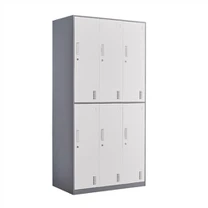
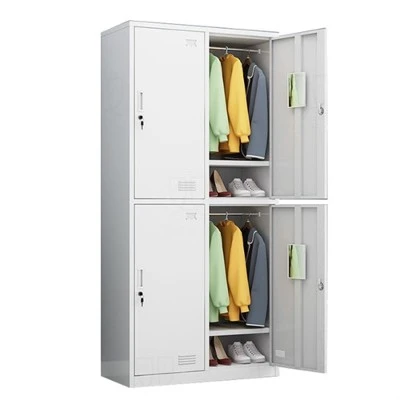
Place the safe inside a closet; this ensures both security and discretion, keeping it hidden from prying eyes.
Cabinets also serve as excellent hiding spots for safes; some cabinets even come with built-in locks.
The space under the bed has long been a popular spot for storing items that require quick access, and we highly recommend it for your small safe. Just remember to place a rug or mat on the floor underneath to prevent the safe from scratching the surface.
In the Office
Here are some of the best places to position a small safe within an office environment:
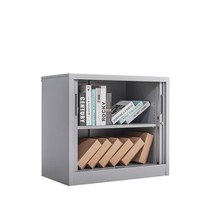
Office cabinets are ideal for housing small safes; however, ensure that the cabinet is not easily accessible to everyone in the office.
Office drawers also provide a secure location for storing small security boxes, offering both convenient access and effective concealment.
Two Key Factors to Consider When Purchasing a Small Safe
When considering the purchase of a small safe, you should pay close attention to the following two key features:
Fire, Security, and Water Resistance
Depending on your specific security requirements, we recommend a fireproof and waterproof safe. These safes have undergone rigorous testing to ensure they can withstand fires and other disasters, thereby safeguarding your valuables and keeping them secure at all times.
Anti-Theft Features
If you do not typically carry your small safe-or the valuables stored inside it-with you, then anti-theft features such as proximity sensors, pry-resistant doors, and the ability to be securely bolted to the floor will prove highly practical.